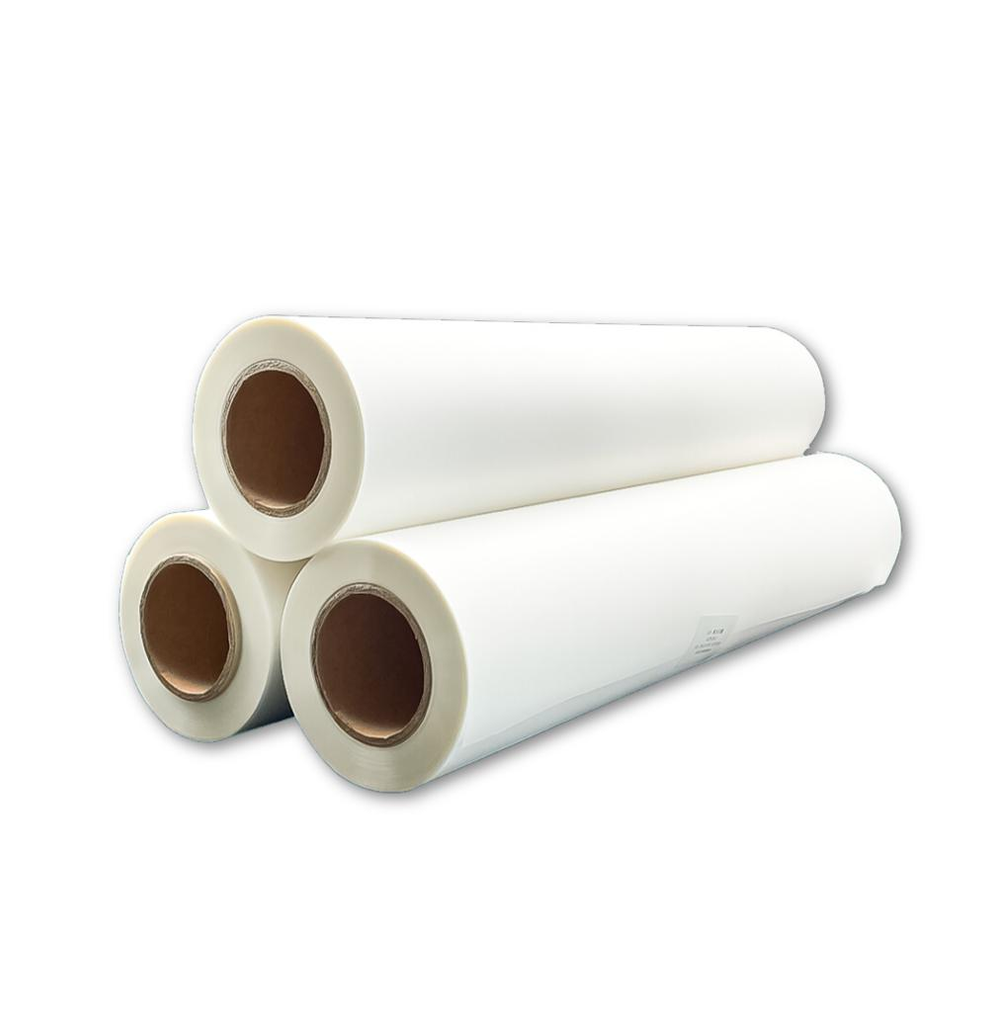
Hot peel versus cold peel DTF film is primarily a choice about when the PET carrier can be removed, how the workstation is organised and what the selected grade requires. Instant peel is another option for workflows that need prompt carrier removal. This guide compares the different peel types and helps buyers choose which sample to test first.
These terms describe when the PET carrier should be removed after heat pressing. They do not, by themselves, guarantee print durability, a particular finish, or universal compatibility with every ink, adhesive powder and garment.
Hot Peel vs. Cold Peel vs. Instant Peel: What Changes?
| Film type | Peel timing | Production consideration |
|---|---|---|
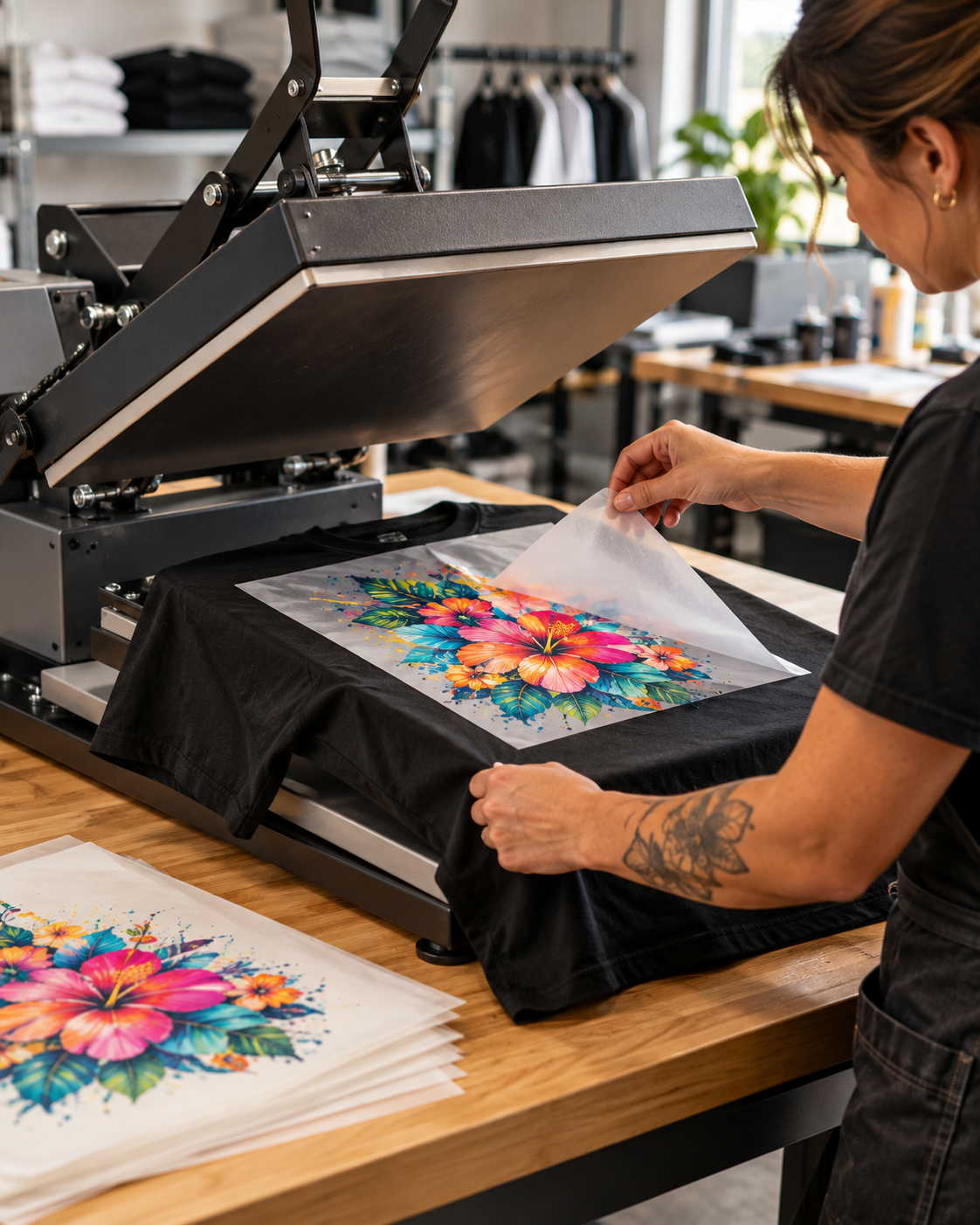
| Hot Peel | Remove the PET carrier while the transfer is still hot, following the film’s stated instructions. | Useful for workflows aiming to minimize waiting between press cycles. |
| Cold Peel | Allow the transfer to cool as specified before removing the PET carrier. | Can provide a more forgiving release window for certain transfers and fine-detail artwork. |
| Instant Peel | A specific hot-release grade intended to peel immediately or nearly immediately when the press opens. | Useful for fast turnarounds, provided the film is genuinely engineered for immediate release. |
Different suppliers sometimes use “hot peel” and “instant peel” interchangeably. For purchasing, ask for the actual peel-time guidance and test it under your shop conditions rather than relying on the product name alone.
Why Peel Timing Matters to Wholesale Buyers
1. Workstation rhythm and repeatability
A shop running multiple heat presses may value a film that can be peeled quickly. But an instant-peel claim is only helpful when the printed transfer releases consistently in routine production. Your operator should be able to peel without lifting edges or damaging fine details.
2. Artwork size and detail
Thin lines, small lettering and complex graphic edges are important test cases. Some production teams prefer a cooler peel for intricate artwork because it gives the transfer time to settle before removing the carrier. The ideal choice still depends on the specific ink-and-powder system and fabric.
3. Fabric and heat sensitivity
Cotton, polyester, blends and specialty fabrics do not respond identically to heat. Press temperature, dwell time, pressure and finishing steps should follow the transfer system’s verified instructions. Heat-sensitive textiles especially need sample testing before bulk production.
Important: Do not assume one temperature, time or pressure setting works for every DTF film. Supplier instructions differ, including between hot-peel and cold-peel products. Test your specific PET film, ink, TPU powder, press and garment together.
Five Questions to Ask Your DTF Film Supplier
- Which peel grade is this? Hot, cold, warm or verified instant peel?
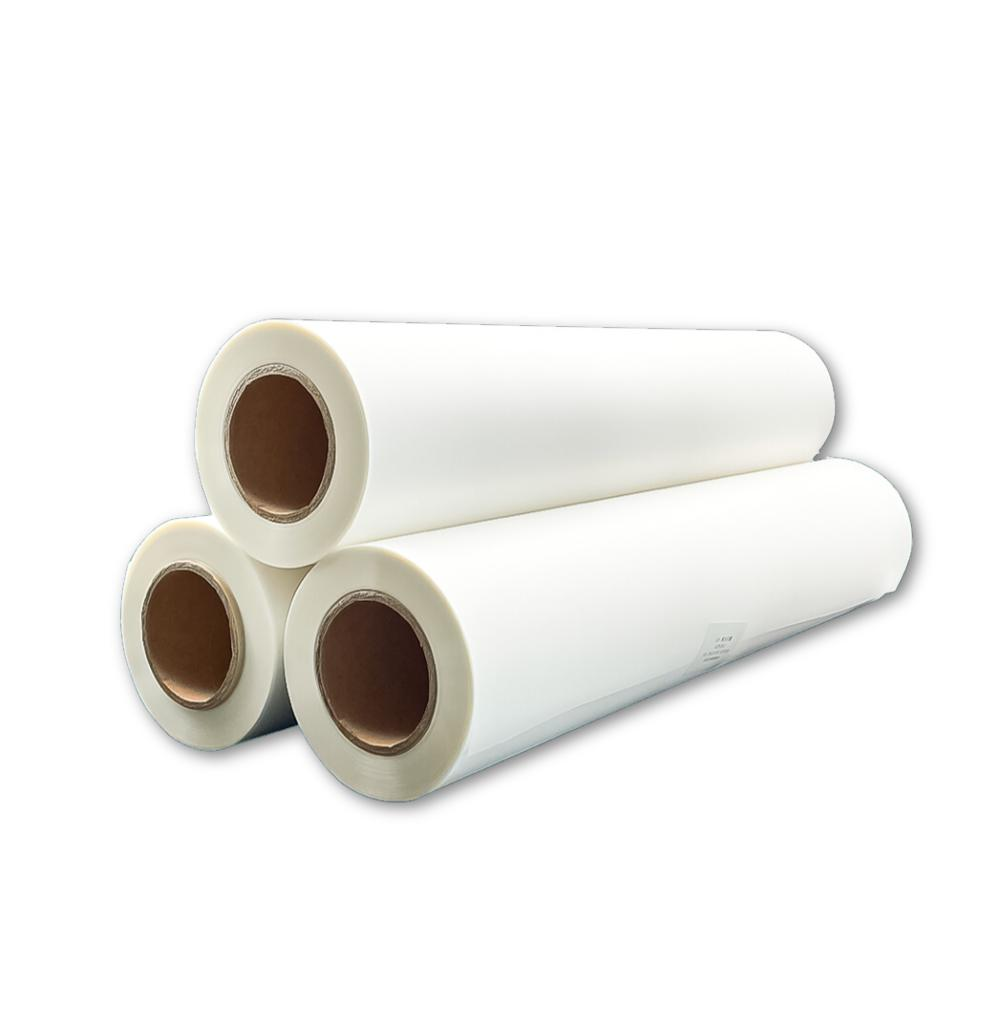
- What are the film dimensions? Confirm usable width, roll length, PET thickness and core size, not only nominal product names.
- Has the film been tested with my printer? Check the actual printing system, ink formulation and powder grade.
- What is the recommended pressing workflow? Ask for temperature, dwell time, pressure, release timing and whether a finishing press is recommended.
- What quality checks are available? Request samples for print uniformity, film release, fine-line detail, transfer adhesion and wash-testing under your intended use.
What REGI Technology Can Discuss
REGI supplies DTF PET film options for commercial transfer production, including instant-peel enquiries. Our commonly discussed PET film specification is 75 μm, with popular 330 mm and 600 mm width categories and roll lengths available by enquiry. The right size and film grade depend on your printer and production setup.
For relevant instant-peel film grades, REGI has used a 140–145°C, 8–10 second heat-press range as a starting reference in product discussions. This is not a universal specification: actual pressing conditions must be confirmed for the supplied grade, ink, adhesive powder and fabric. Always request the current technical information before running bulk jobs.
Choose a Film for the Full Workflow, Not Just the Peel Label
A practical DTF film evaluation looks at printing, powder application, curing, heat pressing, peel release and finished-garment performance together. For wholesale orders, a sample run using your real production equipment is more useful than choosing film based on a single marketing claim.
After choosing a peel type, follow our instant peel DTF film sample testing guide to document the allowed peel window, repeatability and performance on your actual garments.
Need DTF Film Samples or Wholesale Pricing?
Tell REGI your printer model, PET film width, roll length, preferred peel behavior, expected quantity and shipping destination. We can discuss suitable options and a sample plan. Review the REGI DTF Film product page for current PET film options, then contact us with your specifications.
REQUEST A WHOLESALE QUOTE ↗Further reading and application references
- Freestyle Transfers — Pressing Instructions (film-specific hot/cold peel and finishing process).
- DTF Order — How to Press (comparative hot-peel and cold-peel instructions).
- UNINET — DTF Film Application Instructions (ink, powder, curing, fabric and press compatibility).
Published by REGI Technology · Technical editorial content; always follow the documentation for your specific transfer materials.