REGI Technical Knowledge Center · Practical storage guidance for PET transfer film rolls and hot-melt powder packaging.
Store unused DTF film correctly
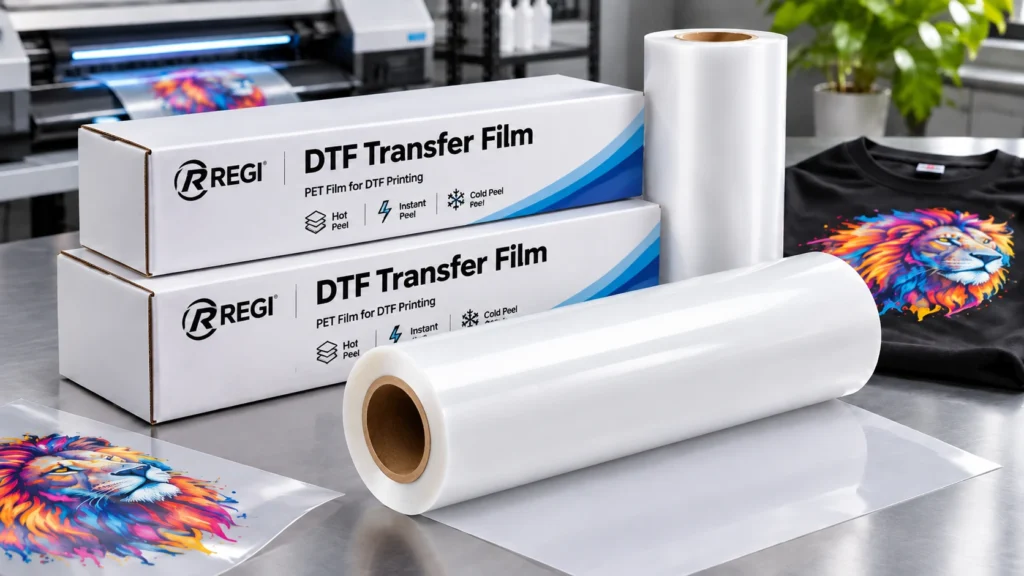
Return unused film to its protective bag and seal it. Where possible, place the sealed roll in its carton. Keep it in a dry location to reduce moisture exposure and avoid placing rolls directly on the floor.
Protect powder from moisture and sunlight
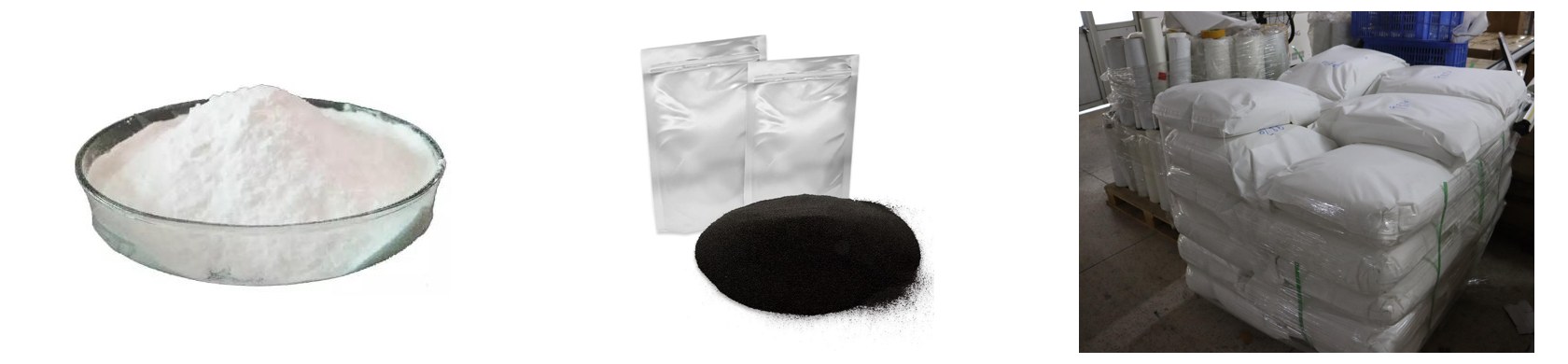
The catalogue advises keeping hot-melt powder away from direct sunlight and tightly closing unused powder. Store the sealed package in a dry place off the floor. Follow the grade-specific safety and storage instructions.
Packaging formats
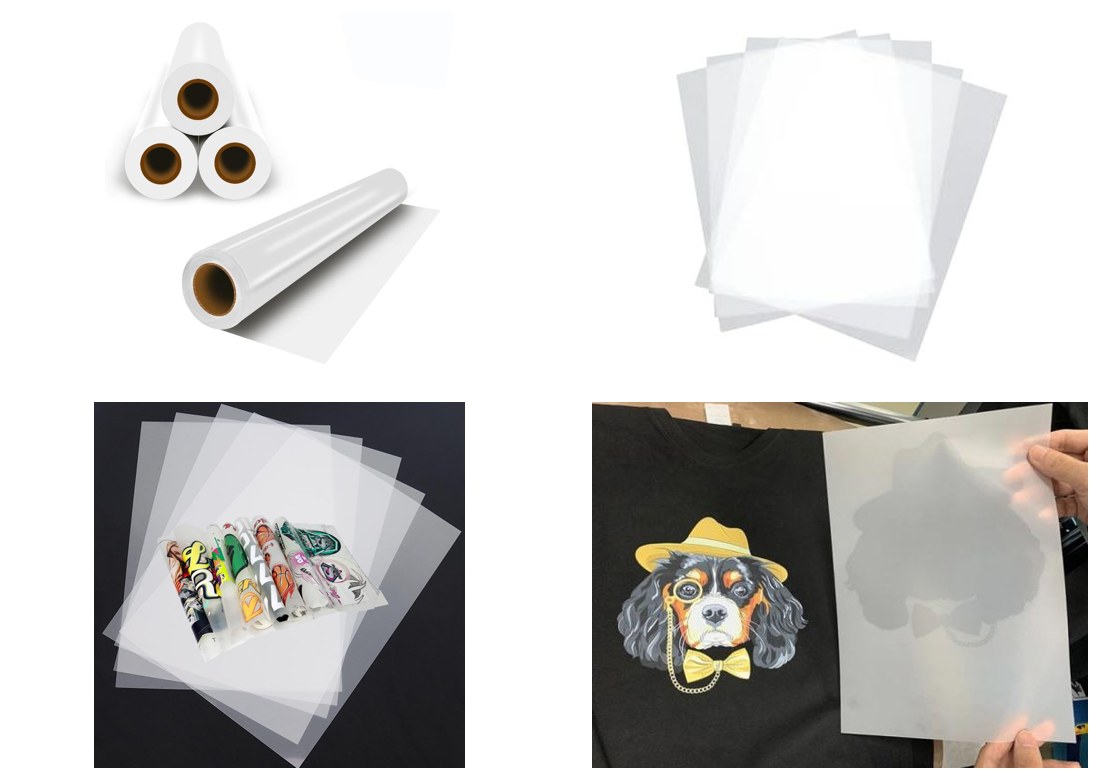
The catalogue lists 500 g, 1 kg and 2 kg foil-bag options and 25 kg bulk powder packaging. Film references include 30 cm and 60 cm roll cartons as well as A3 and A4 sheet packs. Confirm the current packing configuration with your supplier.
Prepare stock for production
As a practical inventory check, identify each grade and batch, inspect packaging and verify the supplier’s shelf-life and storage requirements. If a material appears abnormal after storage, test it before resuming bulk production. The catalogue does not specify a universal temperature or humidity limit.
Technical enquiry
Explore related REGI product information, return to the Technical Knowledge Center, or contact REGI with your printer, application, required specification and quantity.
Specification figures are reference information from the supplied DTF companion catalogue (28 October 2026). Confirm the current grade, availability and applicable technical documentation before ordering or operating equipment.